
New York’s housing lottery system has become one of the most important, and misunderstood, tools for getting an affordable, rent‑stabilized apartment in one of the world’s most expensive cities. Behind the “lottery” label is a structured process that screens tenants by income, household size and need, then uses random selection to decide who gets a shot at below‑market units when demand far outstrips supply.
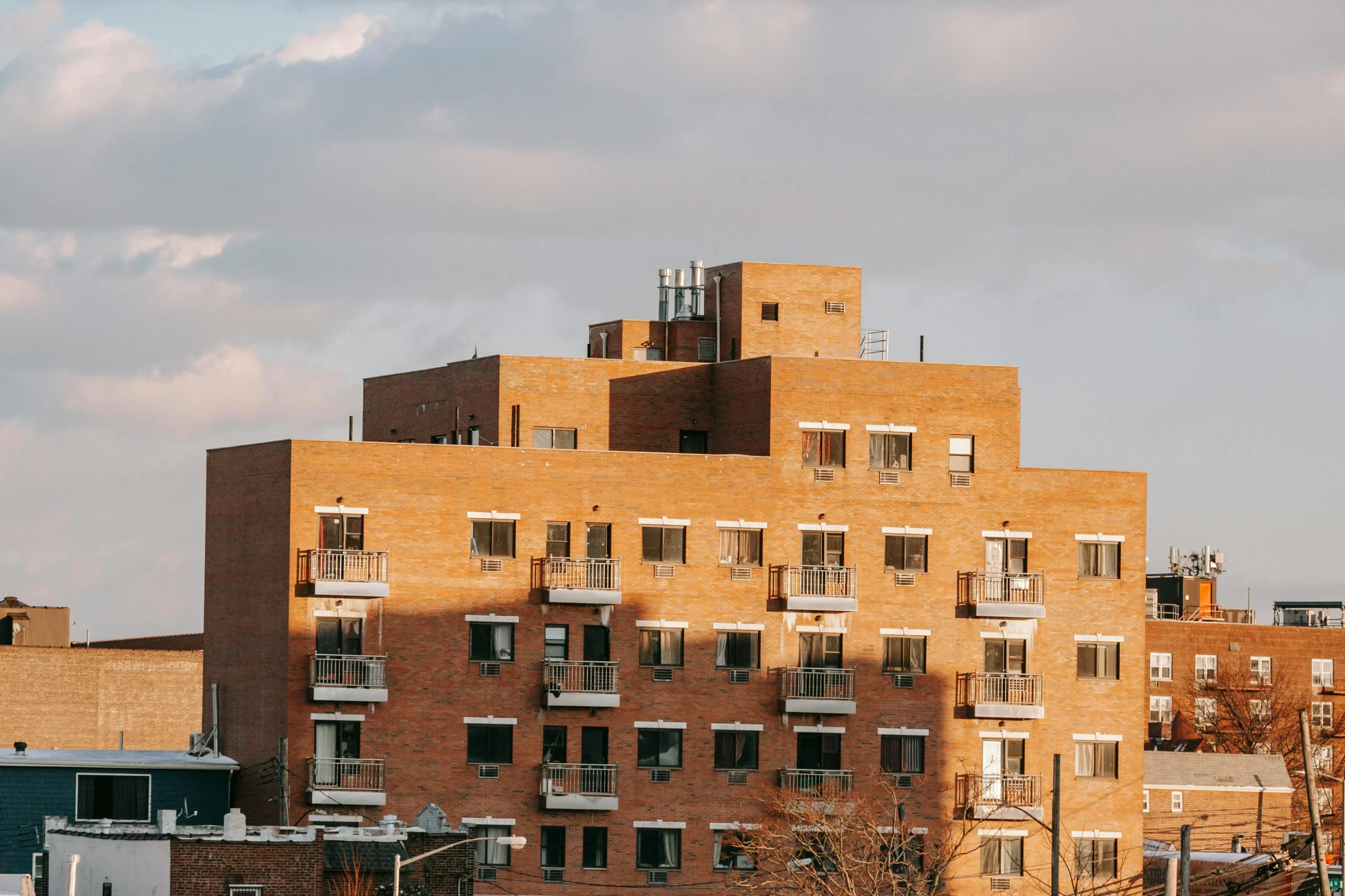
What the housing lottery actually is
Despite the name, New York’s housing lottery is not a cash jackpot, it is the city and state’s main way of leasing new affordable, rent‑stabilized apartments at below‑market rents. When a building receives public subsidies or tax breaks to create affordable units, those apartments are typically offered through a lottery run on the city’s NYC Housing Connect portal or through the state’s Homes and Community Renewal (HCR) system.
NYC’s Housing Preservation and Development (HPD) describes Housing Connect as the online hub where New Yorkers “search for and apply to affordable housing in the five boroughs,” with tenant selection handled by random drawing among qualified applicants. Affordable housing experts note that lotteries are used because there are far more qualified households than available apartments, and randomization is seen as the fairest way to set an order for review.
Typically, the apartments offered are newly built or newly rehabilitated units whose rents are pegged to a percentage of Area Median Income (AMI) and regulated under rent‑stabilization rules. That means rent increases are limited over time, and, at least on paper, your rent should be no more than about one‑third of your household income if you qualify within the advertised AMI band.
How the process works, step by step
While each development has its own timeline and nuances, the basic lottery process for New York closely tracks the generic steps described by state and private housing program administrators.
1. Project approval and marketing
A new affordable development is approved with oversight from city or state agencies, and a portion of units, sometimes 20% in “80/20” projects, sometimes more in 100% affordable buildings, is earmarked for the lottery. Marketing then begins: listings go up on NYC Housing Connect and NY.gov’s lottery pages, describing the building, unit sizes, rents and income bands.
2. Applications
Households create a Housing Connect account, fill out a profile with income, household size and other details, and then apply to specific lotteries where they appear to qualify. There is no application fee.
3. Eligibility screening
After the application deadline (often about 60 days after marketing starts), administrators review applications for basic eligibility: income and asset limits, household size, and any stated preferences (such as disabilities or local residency). Incomplete or clearly ineligible applications are removed at this stage.
4. Random draw and log numbers
All eligible applications are entered into a random lottery drawing that assigns each household a “log number” or application number. The lower the number, the higher up you are in line to be considered; as one NYC renter on Reddit notes, log numbers can exceed 10,000, and being under 250 is considered quite good.
5. Interviews and documentation
Applicants whose log numbers come up are contacted by a marketing agent or leasing office to submit detailed documentation: photo ID, proof of income (pay stubs, benefits letters, tax returns), proof of assets and proof of residency if local preference applies. They attend an eligibility interview, similar to a regular rental screening, which can also include credit, background and landlord reference checks.
6. Unit offers and lease signing
Those who pass the full review receive unit offers in order of their lottery ranking and preference status. If they accept, they tour the apartment and sign a lease; if they decline or fail screening, the offer moves on to the next qualified household on the waiting list.
Importantly, experts and advocates stress that winning the lottery number does not guarantee housing; it simply gives you the chance to move through this deeper eligibility review before units fill up.
Who can apply, and who gets priority
One of the biggest misconceptions about the housing lottery is that it’s only for very low‑income households. In reality, eligibility spans a broad range.
Guides from nonprofits and housing‑tech sites outline the main criteria:
- Age: The primary applicant must be at least 18 years old.
- Income and AMI: Each lottery targets specific Area Median Income bands, often between 30% and 130% of AMI, and sometimes 40–130%. Your total gross household income (before taxes) has to fall within the band advertised for the unit size you’re seeking.
- Household size: Eligibility also depends on how many people will live in the apartment; a studio might be capped at two people, while a three‑bedroom requires a larger household.
- Ability to pay: You must show you can reasonably cover your share of the rent or have a rental subsidy that will.
- Documentation: Applicants must be able to provide ID, income proof and, in some cases, asset statements when called.
While almost everyone is eligible for at least some lotteries, the chances of success improve if you fit certain preference categories. These can include:
- NYC residency – city residents get priority over non‑residents.
- Community‑board residency – a portion of units may be set aside for people already living in the local community district.
- Disability status – preferences for households with mobility, vision, or hearing disabilities, especially for accessible units.
- Municipal employees – city workers may receive priority in some lotteries.
Advocacy groups like Coalition for the Homeless note that applicants meeting one or more preferences are given first consideration when applications are pulled for review.
What “affordable” means in practice
The key benefit of a housing‑lottery unit is that it’s rent‑stabilized and below market, with rents calibrated to your income band.
In many NYC lotteries, rents are pegged so that a household spends at most around 33% of its gross income on rent. For example, a guide by MyHomey notes that if you qualify in a given AMI band, “you will be spending at most 1/3 of your household income on rent,” a significant break in a city where median rent‑to‑income ratios are far higher.
In classic “80/20” arrangements, developers set aside roughly 20% of units for low‑ to middle‑income renters at regulated rents, while the other 80% are market‑rate; government subsidies or tax credits cover the difference between what tenants pay and what the unit would otherwise command. One example offered by an insurer: if a unit would normally rent for $1,200, a lottery tenant might pay $600 while the program makes up the rest.
Because units are rent‑stabilized, increases at lease renewal are subject to city guidelines, insulating tenants from the sharp jumps common in unregulated apartments.
Who benefits most from the housing lottery
Housing‑lottery programs serve multiple goals at once, and different groups benefit in different ways.
Working‑ and middle‑income renters
Many NYC lotteries target households earning between roughly 40% and 130% of AMI, including recent graduates, service‑sector workers, teachers, and public employees who earn too much for shelters or traditional public housing but too little for market rents. For them, winning a lottery can mean hundreds or thousands of dollars in annual savings and long‑term stability in a city they might otherwise be priced out of.
Low‑income families and voucher holders
Contrary to some myths, having a Section 8 voucher or CityFHEPS subsidy does not disqualify you; in fact, MyHomey notes that households under the listed income limits are not disqualified if they have a voucher that covers the rent. For these households, lotteries offer a pathway out of shelters or precarious arrangements into new, code‑compliant apartments, often with better access to transit and schools.
Older adults and people with disabilities
Senior‑focused lotteries and units reserved for tenants with mobility, hearing or vision impairments provide accessible housing at regulated rents, a crucial resource in a fast‑aging city and state.
Developers and the broader city
Developers receive tax credits and zoning benefits for including affordable units, while the city gets new mixed‑income housing without bearing the full cost of construction. Over time, these programs expand the stock of rent‑stabilized units and can support more economically diverse neighborhoods.
Limits, odds, and realities
For all its benefits, the housing lottery is no silver bullet.
Demand vastly exceeds supply: individual lotteries frequently draw thousands to tens of thousands of applications for a few dozen units. As one NYC applicant wrote on Reddit, log numbers “can exceed 10,000,” and even a low number only gets you a chance at further screening, not a guaranteed apartment.
The process is also slow and paperwork‑heavy. Coalition for the Homeless notes that it can take two to ten months after a deadline to hear back, and that applicants often need to follow up if buildings are overwhelmed. If you’re selected, you must be ready to produce extensive documentation on short notice.
Finally, “affordable” is relative. Critics point out that some lottery units targeting higher AMI bands, 100% to 130% of AMI, are still far out of reach for many New Yorkers, especially in expensive boroughs. That said, advocates argue that the lottery remains one of the few transparent, city‑wide channels where a broad range of households can compete for rent‑stabilized apartments.
How to get started, and improve your chances
Housing specialists consistently emphasize that the first step for New Yorkers is to register on NYC Housing Connect, keep your profile updated and apply widely.
Basic tips drawn from official sites and experienced applicants:
- Create and update your online profile with accurate income, household, and contact information; errors can disqualify you later.
- Check AMI bands carefully to target lotteries where your household income falls comfortably inside the range.
- Apply to multiple lotteries across neighborhoods and AMI bands you qualify for; there’s no limit to how many you can enter.
- Take advantage of preferences: if you live in the community board area, have a disability, or work for the city, make sure your profile reflects that.
- Prepare your paperwork in advance so you can respond quickly if your log number is called.
As one housing‑lottery explainer puts it, lotteries are “a fair and impartial process used when there are more qualified applicants than available apartments” — but they favor those who understand the rules, meet the criteria and are ready when opportunity comes.
In a city where a market‑rate lease can feel like a lottery of its own, New York’s official housing lottery system is imperfect and oversubscribed, but for thousands of households, it remains one of the few structured routes to a stable, affordable home.