
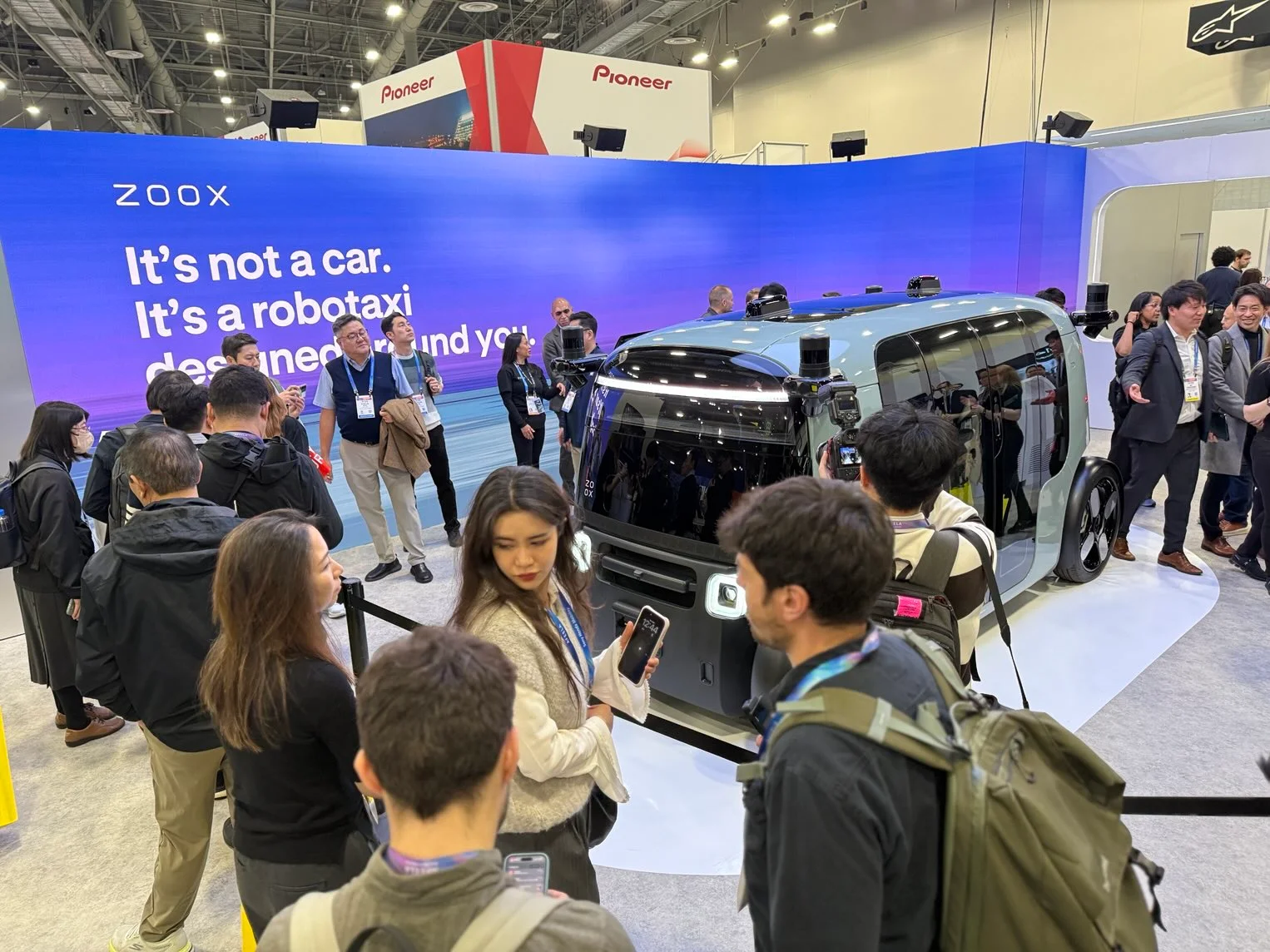
Artificial intelligence, chips and robots are setting the tone at CES 2026, where everything from high‑end servers to toy bricks and pocket pets now comes with some form of “physical AI” built in. On the Las Vegas show floor, the biggest headlines range from Nvidia’s next‑generation Vera Rubin chip platform and a new car‑brain for autonomous driving to LG’s home robot helper, Lego’s sensor‑packed Smart Bricks and a wave of AI companions and health gadgets aimed at everyday consumers.
AI chips take center stage
This year’s show has turned into a showcase for the semiconductor industry, with Nvidia dominating the headlines. CEO Jensen Huang used his keynote to unveil the Vera Rubin platform, a new generation of AI chips and supporting hardware that the company says can deliver roughly ten times the throughput of its previous Grace Blackwell architecture while cutting token costs by a similar factor.
Alongside Vera Rubin, Nvidia introduced Cosmos, an AI foundational model designed to simulate environments governed by real‑world physics, and Alpamayo, an open model tailored for autonomous driving. Huang told the audience that Mercedes‑Benz vehicles powered by Alpamayo are expected on the road in the first quarter of 2026, underscoring how quickly AI models are moving from the cloud into cars.
Rivals are trying to keep pace. AMD’s Lisa Su used a CES stage to highlight Ryzen AI 400‑series chips for next‑generation AI PCs, a new MI440X GPU for enterprise workloads and a “Helios” rack‑scale platform aimed at data‑center deployments, while also announcing a 150‑million‑dollar commitment to bring AI into classrooms and communities. Intel, Qualcomm and others are touting their own silicon for “physical AI” systems, from self‑driving vehicles to humanoid robots, signaling that competition in AI hardware is spilling into robots and cars as much as servers.
Robots and “physical AI” move closer to home
If past CES shows flirted with home robots, 2026 is pitching them as serious helpers. LG drew crowds with CLOiD, an AI‑powered home robot that the company says can work in concert with its appliances to do tasks like folding laundry or loading the dishwasher. On stage, CLOiD navigated a demo environment and interacted with smart devices, illustrating LG’s vision of “specialized agents” that operate in physical space rather than just on screens.
Hyundai, via its Boston Dynamics subsidiary, showcased an updated Atlas humanoid robot with “human‑scale hands,” 360‑degree cameras, water resistance and the ability to operate in sub‑freezing temperatures. Executives say embedding a foundation model lets Atlas move beyond pre‑programmed routines and learn to navigate unfamiliar environments and manipulate new objects, a capability they pitch as central to future industrial work.
Smaller “companion” robots are also everywhere. TCL built a “wonderland” inside its booth for AiMe, a modular AI companion robot that debuted last year, while exhibitors in CES’s preview event showed off everything from Nosh, an AI robo‑chef, to Skeekar, a pocket‑sized AI pet designed to grow and respond to its owner over time. The official show theme of “innovation for all” is reflected in the emphasis on “affectionate intelligence” and AI companions that live on desks, wrists and in living rooms.
Smart homes, holographic assistants and AI at your desk
AI is also creeping into more familiar categories. Razer introduced Project AVA, a 3D holographic “desk companion” that lives in a small physical display and runs on xAI’s Grok model, delivering scheduling help, translations, and spreadsheet analysis through a floating avatar. Appliance makers such as Bosch and Panasonic are pushing further into connected kitchens: Bosch showed off Cook AI, a system that combines agentic AI, appliance sensors and the Home Connect app to steer users through recipes and manage ovens and cooktops automatically.
TVs continue to serve as a canvas for new display technology and AI processing. Hisense premiered an RGB mini‑LED “evo” platform that adds a new primary color, sky blue, to expand brightness and color range, while LG and Samsung are leaning on AI upscaling and scene analysis to pitch more lifelike pictures and smarter content recommendations. Beyond the screens, Hisense and TCL are experimenting with bold booth designs and entry “theaters,” underscoring how much exhibition design has become part of the tech story.
On the PC side, Lenovo is drawing attention with rollable‑screen concept laptops aimed at creators and gamers, devices that can extend vertically or horizontally to expand workspace on the fly, while keeping AI helpers in the background to suggest layouts and manage windows.
Lego’s Smart Bricks and other playful ideas
One of the more unexpected hits of CES 2026 has come from the toy aisle. Lego used the show to unveil its “Smart Brick,” a classic 2×4 Lego block that now hides a tiny computer packed with sensors, LEDs, a speaker, and wireless connectivity. The Smart Bricks form the core of a new “Smart Play” system that lets sets respond to movement, tilt, and nearby bricks without relying on screens, bringing digital effects into analog play.
Each brick can detect neighboring pieces, light up, play sounds and communicate with others over Bluetooth mesh, while NFC tags in tiles and minifigures enable effects such as glowing lightsabers, engine start‑ups or reactive blasters in themed builds. Lego says the custom chip inside each unit is smaller than a single Lego stud, allowing it to preserve the familiar form factor while changing how sets behave.
Elsewhere in the “fun but quirky” category, CES Unveiled highlighted Plaud’s wearable AI note‑taker, which clips onto clothing to record and summarize meetings, and Withings’ upgraded Body Scan 2 smart scale, which blends body‑composition readings with cardiovascular metrics and cloud‑based analysis. The mix of gadgets reflects how exhibitors are trying to integrate AI into everyday routines without requiring users to learn new interfaces.
Health tech and “innovation for all”
Digital health remains a major pillar of CES, and organizers say 2026 continues that trend. Exhibitors range from big incumbents to start‑ups pitching AI‑driven diagnostics, home monitoring and telehealth platforms. Withings’ latest devices, ultrawearables such as Ultrahuman’s fitness trackers and AI‑assisted medical robots in the robotics halls all point to what CES describes as “the next wave of digital health breakthroughs.”
The official preview of “what not to miss” emphasizes AI agents, digital twins, and on‑device AI as cross‑cutting themes, highlighting companies from AMD and Qualcomm to smaller players such as Aizip and Persona AI. Organizers say the goal is to show how AI can enhance productivity and customer experiences while also addressing sectors like education and healthcare, a framing that appeared in keynotes from chipmakers and device manufacturers alike.
On the show floor, brands have traded some of the old spectacle for more controlled experiences: timed‑entry “welcome theaters” that funnel visitors through cinematic rooms into product demos, and lounge‑style setups where companies like BMW use AI‑powered personal assistants and photo activations to draw crowds. It is an attempt to match the buzz around AI with clearer narratives about what these technologies actually do.
A show that looks like the AI moment
Across the convention halls and off‑site exhibits, CES 2026 reflects a tech industry trying to convince consumers and businesses that AI is moving beyond hype into hardware and services they can touch. From Vera Rubin chips designed to power the next wave of generative models to home robots that promise to load dishwashers and toy bricks that light up in response to a child’s imagination, the products on display share a single thread: intelligence, or at least a version of it, embedded everywhere.