
Cannabis consumption is becoming more widely accepted in the United States and across the globe because of the movement towards legalization and changes in attitudes. It is not uncommon for users of cannabis to promote its recreational and medicinal qualities. However, new research is emerging which appears to be presenting a more complex understanding of both the pros and the cons associated with smoking cannabis.
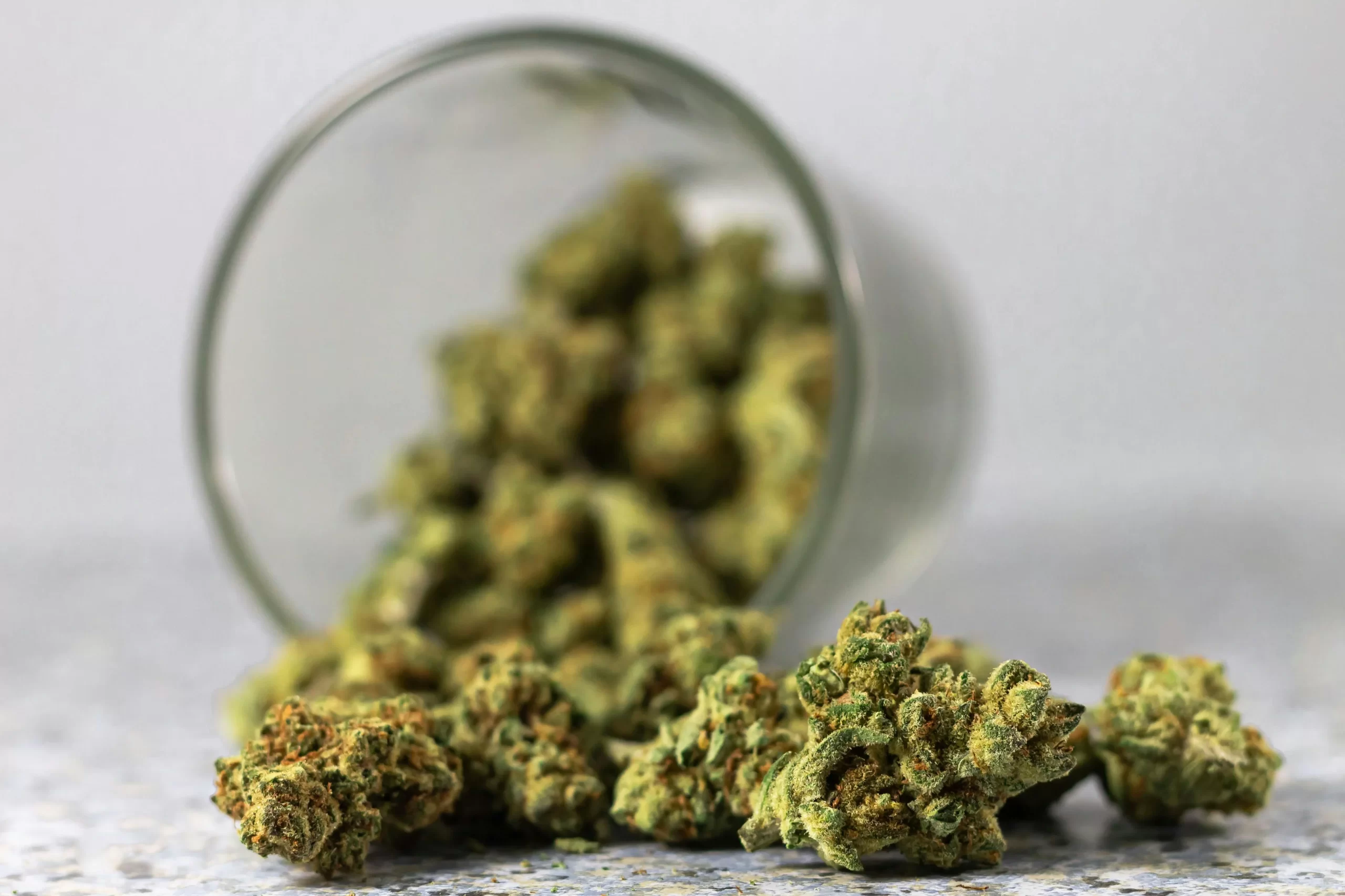
In 2025, it is crucial to understand the pros and cons of smoking cannabis to make informed decisions. This is important especially given both higher THC levels and new evidence associated with heart health, brain function, and behavior.
The Pros: Potential Benefits of Smoking Weed
- Relief of Chronic Pain and Nausea: There are cannabinoids in Cannabis that are responsible for activating the body’s endocannabinoid system which lowers chronic pain and nausea as side effects of chemotherapy. Because of this, cannabis has become a popular substitute or adjunct to opioids as a treatment for pain in some patients.
- Mental Health and Relaxation: Some cannabis users report anxiety, stress, and insomnia relief. Some strains and forms of cannabis with THC/CBD content can help promote relaxation and mental calmness.
- Neuroprotection: Some studies have suggested that some cannabinoids exert neuroprotection against inflammation which may be useful to conditions such as multiple sclerosis and epilepsy.
- Reduction in Alcohol Use: There is some literature that indicates cannabis use may be associated with less alcohol use when cannabis is taken, a possible harm reduction in both social and lifestyle settings.
The Cons: Health Risks and Negative Outcomes
- All sorts of cardiovascular risks: Recent studies (including a meta-analysis of 12 large trials documented that overall, cannabis users were at a significantly increased risk of having a heart attack, an ischemic stroke, dying from heart failure, and cardiovascular death, even among young and otherwise healthy adults). Possible mechanisms include disrupted rhythm of the heart and dysfunction of blood vessels. We must especially note that the risks appear to be increased significantly after about 1 hour from consuming cannabis.
- Mental health challenges: Cannabis use (especially as a teenager) has been documented to greatly increase the rates of depression, anxiety, psychosis, and plans for suiciding. Especially heavy life-time users also had significantly less brain activity in particular areas of the brain that are responsible for decision-making, memory, and attention; therefore, possibly redefining “cognitive impairment”.
- Cannabis use disorder: Approaching 30% of users are at risk of developing a cannabis dependence where they cannot quit using cannabis even when negative effects develop as a result of usage. Dependents also have nearly three times the risk of mortality to suicide, accidents, poisoning, or lung cancer; however, using cannabis often places them at less risk than opioids.
- Impact on Daily Function: Regular marijuana usage has been documented to negatively affect academics, job placement, relationships between individuals, and overall life satisfaction. The increased potency of THC compared to several decades ago is likely linked to this phenomenon, with still rising emergency department visits attributed to cannabis usage.
- Risks for Pregnant Women and Babies: There are important implications if used and/or administered during pregnancy. This use is linked to fetal growth restriction, pre-term birth, stillbirth, and developmental delay, given that THC crosses the placenta and enters breast milk.
Balancing Benefits vs. Risks
There is a general agreement among health professionals, that cannabis is not a cure-all and is not a completely harmless recreational drug; it’s a drug that can vary in effects based on things such as dose, frequency, age of first use, mental health, and the way it is taken. Medical supervision with evidence-based use of cannabis is still critical in weighing the potential benefits with the associated risks.
For casual or recreational users, moderation, educated choice of strain or product used, and being aware of one’s and their family’s health history, are all important to reduce harm when using cannabis.
Research and Regulation
As cannabis markets continue to grow, more longitudinal and prospective studies are being done to better understand long-term outcomes, effective dosing, and specific mechanisms of the cardiovascular and neurological effects. In the interim, policy makers have their own struggles in finding balance with state and local policies regarding access versus protection of the public health through age restrictions, potency restrictions, and public education campaigns.