
A powerful nor’easter launched itself along the New Jersey coast this week and is prompting statewide emergency action, raising concerns about coastal flooding, and causing major travel and daily activity disruptions. With high winds, driving rain, and significant storm surges blasting the state, New Jersey officials announce preparation for a multi-day weather threat reminiscent of some of the strongest storms since Superstorm Sandy impacted much of New Jersey.
Storm Overview: Intensity and Path
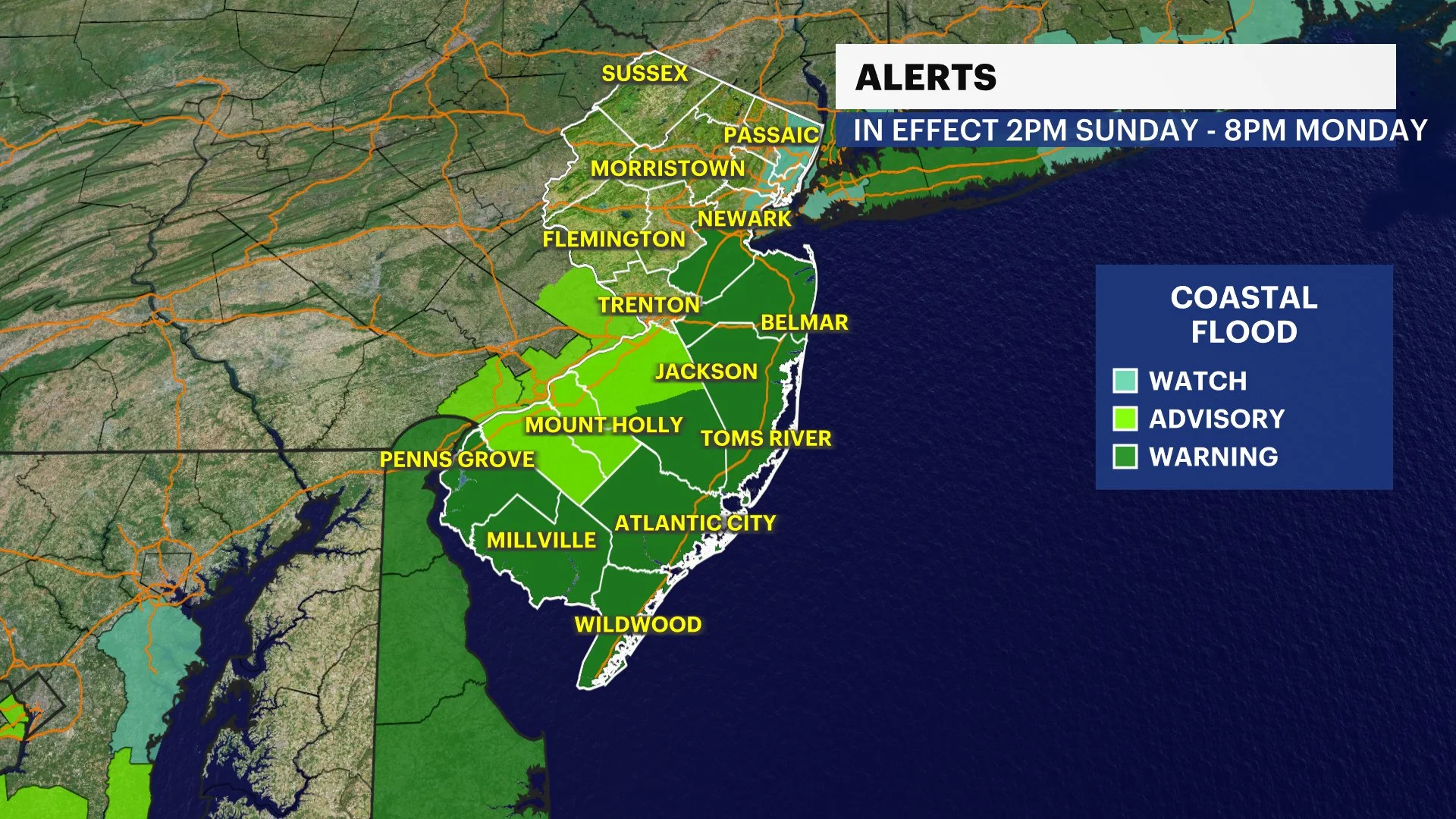
A nor’easter began impacting New Jersey early Sunday and is projected to remain in the state until Monday with high wind and hazardous conditions peaking late Sunday into Monday morning. The nor’easter is generating damaging wind gusts of 50-60 mph, strong northeast winds, and notable astronomical high tides generated by above normal tides, driving heavy rainfall across the state. The National Weather Service issued numerous coastal flood and wind warnings.
Coastal zones from Cape May to Monmouth County are under the highest flooding and wind threats, however, inland areas could also see flash flooding and power outages. By Sunday evening, reports of widespread tidal flooding, impassable roads, and activating emergency response plans for municipalities were received.
Coastal Flooding: Major Threat for Shore Towns
In towns, like Atlantic City and Ocean City and then locations near Raritan Bay and Delaware Bay, high tides and pounding surf have already led to street closures and possible evacuations. Portions of Atlantic City water levels reached just over 8 feet which hasn’t been observed since Sandy impacted coastal New Jersey in 2012; officials are warning the highest flood risks will occur during high tide periods on Sunday afternoon and early Monday.
The National Weather Service also noted, “Moderate to major coastal flood impacts are still likely. Impassable roadways and flood inundation of structures as well as possible evacuation action will all happen over the next cycle of tides.”
Wind Hazards and Power Outages
In addition to the coastal flooding, the nor’easter’s strong winds sustained winds at 25–35 mph and gusts of 55-60 mph are overturning trees, bringing down power lines, and endangering coupled infrastructure. Gusts in inland areas could reach 40 mph, with utility companies already reporting outages sporadically.
Residents were urged to secure outdoor furniture, stay inside as best they could, and readied for service disruptions with the power and internet. Emergency phone lines were inundated as wind-blown debris was a hazard and blocked roadways.
Rainfall and Flash Flood Risks
There has been between one to five inches of rain across the state with the heaviest falling in the southern and coastal counties. Generally, moderate rain is manageable, but the extended period with a nor’easter brings flash flood vulnerability, especially across areas that are already saturated. The National Oceanic and Atmospheric Administration (NOAA) Weather Prediction Center has issued a Level 2/4 flash flood risk for the New Jersey coast and much of the greater Mid-Atlantic region.
Based on meteorologist warnings, urban flash floods can be an immediate hazard, with underpasses and basements and low-lying neighborhoods being prone to this issue.
Emergency Measures: Statewide Response
In response to these concerns, Acting New Jersey Governor Tahesha Way, declared a state of emergency at 10 p.m. on Saturday, setting into motion the state emergency response and resources available during these situations. This increases the ability to coordinate evacuations, provide shelter, close roads and bridges, and mobilize the National Guard if necessary.
Municipalities along the Jersey Shore were providing sandbags, monitoring important flood-controlled roadways, and advised those in these sections to remove vehicles to higher ground. Public safety officials, particularly the Coast Guard, consistently noted for those in these low-lying flood-prone areas, to prepare now. Do not wait until the water rises to seek shelter or relocate.
Disrupted Travel: Road Closures and Delays
The nor’easter has also created impacts Travel Systems across the state.
- Route 40 and Route 30 entering and exiting Atlantic City were closed due to flooding on these major arteries, which forced drivers to reroute or stay parked until the conditions improved.
- New Jersey transit buses, regional buses were delayed or cancelled for some towns and areas that had flooding or flooding fears, particularly in the counties that had known issues in the past.
- Over 2 dozen flights were delayed or cancelled out of Newark Liberty International Airport, with Philadelphia, JFK, and LaGuardia all experiencing some delay due to weather storms.
Travel advisories were made for individuals and families to refrain from unnecessary travel. Ferry travel on Fire Island ferries were suspended for Sunday and Monday due to unsafe surf.
Beach Erosion and Dune Breaches
Meteorologists cautioned that the nor’easter not only inundates roadways and neighborhoods but causes beach erosion and possible dune breaches. With wave heights of 12-15 feet along the Atlantic coast and Delaware Bay, some coastal communities may suffer significant losses of protective dunes and shorelines, increasing vulnerability to future storms.
Community Efforts and Volunteerism
Volunteers, first responders and local officials quickly organized to help residents prepare by filling sandbags, checking on neighbors who are vulnerable, assisting municipal crews with clearing storm drains. NGO’s and local charities initiated emergency shelters for families displaced by the storms.
What’s Next: Storm’s Exit and Aftermath
The latest forecasts predict that the storm center of the nor’easter will move away from New Jersey on late Monday night, although light to moderate rain and mild wind may persist through Tuesday morning. Cleanup will begin immediately, damage assessments and insurance claims will likely begin rolling in throughout the week.
Climate Context: More Frequent Coastal Threats
As damaging nor’easters become more frequent due to warming oceans and changing climate patterns, New Jersey faces increasing challenges to both infrastructure and emergency plans. Statewide leaders and associated scientists are advocating for renewed investments in resilient coastal defenses, floodproofing and early warning systems.
With the seemingly simple or common headline, Nor’easter threatens New Jersey, residents along the Jersey Shore and the surrounding areas prepare for a storm with impacts that are both immediate; before and after each event, and ominously a stark reminder of climate vulnerability. Emergency services continue to monitor round-the-clock dedicated to keeping all residents stay safe, heeding warnings, and remaining prepared until the threat abates.